
Recovering From Flooding
Recovery Tips
Most homeowners, condominium, and renters insurance policies do not cover flood damage. Flood damage is covered by a flood policy issued by an insurance company or by the National Flood Insurance Program (NFIP). Flood damage to your auto is typically covered by the comprehensive coverage portion of an auto insurance policy.
What Do I Do?
💧 Don’t go home until it is declared safe to do so.
💧 Contact your insurance company or agent immediately.
💧 Provide accurate contact information to your insurance company or agent.
💧 Contact police if your car is missing.
💧 Document any damaged property with photos or video before discarding.
💧 Remove any standing water inside your home (wear protective gear).
💧 Be careful handling any debris as it can be hazardous.
💧 Save any expense receipts for temporary repairs.

Filing a Claim
Where Do I Start?
Suffering damage or loss to your home and property can be stressful. Filing a claim doesn’t have to be. Below are tips to help you file a claim. For more information about the claims process, visit our Residential Property Claims Handling, Auto Claims Handling, and Flood Insurance webpages.
1. Contact your agent, insurance company, and/or NFIP to file your claim(s).
-
- Start a claim as soon as possible.
- You may have to report a claim to more than one insurer such as your homeowners insurer, auto insurer, and/or the National Flood Insurance Program (NFIP). Most NFIP policies are issued through an insurance company.
- Make sure you provide accurate contact information to your insurer.
- Ask about any deadlines that are important and make note of them.
- If you have an NFIP flood policy and need help finding your agent, call 800-621-3362 or visit the NFIP claims webpage. This NFIP recovery checklist may also be helpful.
2. Document your damage.
-
- Make a list of damage inside and outside of your home or auto.
- A list of damages will be helpful when you meet with an adjuster so that nothing is missed.
- Take photos or video of the damage to show the condition and extent of damage.
- Take photos or video of adjacent undamaged areas to provide context.
- If you have an NFIP policy, these NFIP/FEMA forms will be helpful in documenting damage.
-
- Make emergency repairs only.
- Wait for your insurance adjuster(s) to inspect damage before making any permanent repairs or hiring someone to do so.
4. Make notes and keep receipts.
-
- Make notes during each call with insurers, adjusters, and repair persons.
- Save photos, video, documents, and receipts for temporary repairs or additional living expenses so you can submit them.
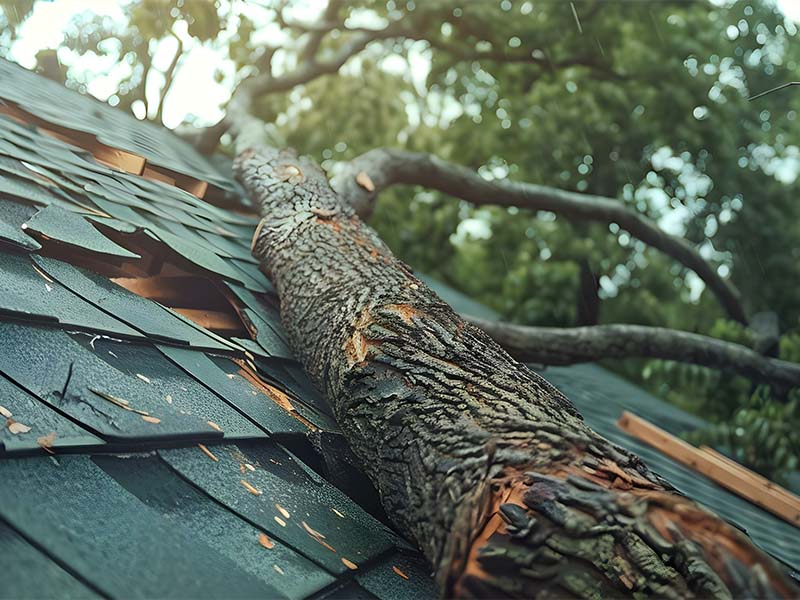
What's Next
What Should I Know?
-
- It may take a while for someone to inspect your damage.
- Ask your insurance company or NFIP what deadlines require action on your part, and what you can expect from them next.
- Document damaged property and items before you throw them out.
- Be available, ready, and proactive when your insurance adjuster visits.
- Clarify next steps in the process with your adjuster.
- Begin the process of finding qualified contractors.
- Be sure contractors are insured and/or bonded.
- Address any differences between your insurance company’s estimate and a contractor’s estimate.
- Carefully review all repair contracts before signing.
- Make sure repairs are complete and take photos and videos of repairs for your records.
- Take notes, save receipts, and keep detailed records about your claim including repair estimates and any communications.
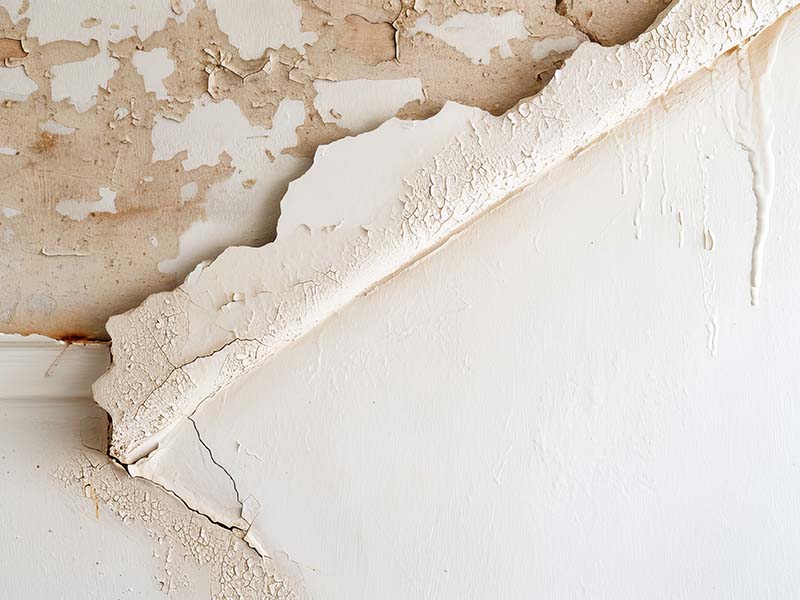
What About Hiring a Contractor?
You may need to hire a contractor to fix damage to your home or find a body shop to fix damage to your car. Here are some tips:
-
- Get estimates. While you are waiting for your insurance adjuster’s inspection, or as soon as you can, find one or more qualified contractors to give you repair estimates.
- Hire well. Make sure the contractor (and any subcontractors) you hire are qualified and insured. Ask family and friends for referrals. Research the company or contractor you want to work with and check the Better Business Bureau (BBB)’s Scam Tracker and the AARP’s Fraud Watch Scam Tracking Map.
- Ensure estimates are detailed. Get itemized estimates from contractors. Get more than one estimate. Show them your insurance company’s estimate if you have it.
- Report differences. Talk to your insurance company about any differences or other damage the contractor found that the adjuster didn’t.
- Review contracts. Review all contracts before signing. Ask questions and do not sign contracts with blank fields in them. Do not pay for everything up front.
- Beware of scams. If someone knocks on your door and tries to pressure you into a decision on the spot, be wary. Do not pay for everything up front.
- Beware of offers to waive your deductible. Your deductible is part of your insurance agreement, and it is illegal for contractors to offer to waive the deductible.
- Save records. Keep receipts and other documents.
What Can I Be Reimbursed For?
Read your policy and talk to your agent. You will have to pay your deductible. However, you may be able to get reimbursed for things such as:
-
- Additional Living Expenses (ALE).
- Debris removal.
- Temporary repairs.
- Withheld depreciation. Ask your insurance company what will be paid at Replacement Cost (RC). Insurers may give you one payment for the Actual Cash Value (ACV) of the damaged property and withhold the difference between the ACV and the RC until the property is repaired or replaced. If you’re owed RC, you can collect it once you prove that you have repaired or replaced your property.
What If I Have Problems?
Claims can be complex and every claim is different. Here are some options for assistance if you have a problem:
-
- Contact your claims adjuster. You can also ask to speak with a claims manager at your insurance company.
- Visit the Texas Department of Insurance (TDI) website or call the TDI Consumer Help Line at (800) 252-3439. You can also file a complaint with TDI.
- If you are unable to get the necessary support you need for an NFIP policy after contacting the resources above, you can contact the Office of Flood Insurance Advocate (OFIA).
- Contact an attorney to advise you of your legal rights. Visit the State Bar of Texas website or call (800) 252-9690 for help finding an attorney.
- Pay a licensed public adjuster or appraiser to help with your claim.
- Visit the Office of Public Insurance Counsel (OPIC) website or call (512) 322-4143 or (877) 611-6742. We can help answer your questions.
Key Resources
OPIC Resources
State and Federal Resources
For Individuals
- TX Dept. of Insurance (TDI) claim tips page
- Nat’l Flood Ins. Pgm (NFIP) start a claim page
- NFIP claims recovery checklist
- NFIP forms for flood insurance policy holders
- NFIP Increased Cost of Compliance Coverage page
- Small Busn. Admin. (SBA) disaster assistance for individuals and businesses
- Individual State of Texas Assessment Tool (iSTAT) (Damage Reporting) website
- TX Div. of Emergency Mgt. (TDEM) July Flood page